Key takeaways:
- File online and pay by January 31, 2027 for the tax year that ended on April 5, 2026.
- Swapping ether for another coin is taxed like selling it, and so is paying for something in bitcoin. Gains over the £3,000 allowance pay 18% or 24%, depending on income.
- Platforms in the UK began gathering customer tax data on January 1, 2026, and HMRC gets the first batch under the Cryptoasset Reporting Framework by May 31, 2027.
The crypto tax UK residents pay depends on how their coins arrived and left. Sell, swap, spend or give away tokens for more than they cost and Capital Gains Tax is due, while tokens received as wages or as mining and staking rewards are charged to Income Tax, the Cryptoassets Manual of HM Revenue & Customs (HMRC) says.
For the year to April 5, 2026, taxable gains go on a Self Assessment return. The online deadline is January 31, 2027, and so is the deadline for paying. This guide explains HMRC’s rules for that return and is not personal tax advice.
When HMRC taxes crypto, and which tax applies
HMRC treats most people who buy and sell tokens as investors, so their profits fall under Capital Gains Tax. It would expect the activity to amount to a financial trade “only in exceptional circumstances,” CRYPTO20250 says, and it does not consider cryptoassets to be currency or money.
A disposal is wider than a sale. Trading bitcoin for ether counts. So does buying a coffee with USDC, or handing tokens to a friend, though gifts to a spouse or civil partner, or to charity, are left out. Shifting coins from an exchange to your own self-custody wallet doesn’t count, because you still own them.
Each row below points to the page of the HMRC Cryptoassets Manual where the tax office explains its position.
| What happened | How HMRC treats it | Manual page |
|---|---|---|
| Tokens sold for pounds | Capital Gains Tax on any gain | CRYPTO22100 |
| One token swapped for another | Disposal of the first token, valued in pounds | CRYPTO22257 |
| Goods or services paid for in crypto | Disposal of the tokens spent | CRYPTO22100 |
| Tokens given away, other than to a spouse, civil partner or charity | Disposal at the pound value given | CRYPTO22100 |
| A fee paid in tokens | The fee tokens are a disposal too | CRYPTO22280 |
| Staking or mining rewards | Income Tax on the pound value when received | CRYPTO21200 |
| An airdrop received for doing nothing | Income Tax may not apply; Capital Gains Tax on a later sale | CRYPTO21250 |
| Tokens paid by an employer | Income Tax and National Insurance | CRYPTO21100 |
| A lost private key | Not a disposal; a negligible value claim may be possible | CRYPTO22400 |
| Coins stolen | Not a disposal, so no capital loss | CRYPTO22450 |
Swaps cause the most trouble, since they have no pound price. CRYPTO23000 asks for an appropriate exchange rate, applied with a consistent method, and a record of that method.
Capital Gains Tax rates and the allowance for 2025-26
The annual exempt amount, HMRC’s name for the Capital Gains Tax allowance, is £3,000 for 2025-26, according to its rates and allowances page. It was £12,300 as recently as 2022-23.
Rates rose partway through 2024. Individuals pay 18% and 24% on gains from October 30, 2024, against 10% and 20% before, which makes 2025-26 the first full tax year at the new rates.
| Tax year | Annual exempt amount | Rates on crypto gains for individuals |
|---|---|---|
| 2022-23 | £12,300 | 10% and 20% |
| 2023-24 | £6,000 | 10% and 20% |
| 2024-25 | £3,000 | 10% and 20% to October 29, 2024, then 18% and 24% |
| 2025-26 | £3,000 | 18% and 24% |
| 2026-27 | £3,000 | 18% and 24% |
Income sets the rate. HMRC’s rates page adds taxable gains, after the allowance, to taxable income, then charges 18% on the part inside the basic rate band and 24% on the rest. For 2025-26 that band covers the first £37,700 of income after allowances, HMRC’s income tax tables show.
Scottish taxpayers use the same £37,700 for gains. In working out the band available, HMRC assumes the individual is not a Scottish or Welsh taxpayer, its Capital Gains Manual says at CG21204.
How section 104 pooling works
Tokens of one type are not tracked unit by unit. Under section 104 of the Taxation of Chargeable Gains Act 1992, each type forms a single pool whose cost rises with every purchase and falls with every disposal, according to CRYPTO22200. Someone holding bitcoin, ether and litecoin has three pools. NFTs are the exception. Each one can be identified, so none is pooled.
There is no specific identification, the practice of naming which purchase a sale came from. A sale takes its share of the pooled cost. In HMRC’s own illustration, 100 tokens bought for £200 and 300 more for £300 make a pool of 400 costing £500, so selling 200 carries a cost of £250.
The same-day and 30-day matching rules
Two rules come before the pool and decide which purchases a sale is matched with. Both are borrowed from the rules for shares, HMRC’s guidance says.
The same-day rule
Under section 105, all purchases of one token on one day count as a single purchase, and all disposals that day as a single disposal. The day’s purchases are matched with the day’s disposals first. Anything left over is tested against the 30-day rule before it touches the section 104 pool.
The 30-day rule, or bed and breakfasting
When tokens are bought within 30 days after a disposal of the same type, section 106A matches the disposal with those later purchases, earliest disposal first. Only purchases left over enter the pool. HMRC’s Capital Gains Manual at CG51560 says the rule dates from 1998, when it was aimed at “bed and breakfasting” of shares, and normally reduces or eliminates the gain or loss a match with existing holdings would have produced.
So tokens sold at a loss in late March and bought back in April are measured against the April price, not the pool. The US wash sale rule looks 30 days either side of a loss sale, though its text covers “shares of stock or securities.”
A worked example with all three rules
The prices are invented to keep the sums readable, and fees are left out. Alex has taxable income of £30,000 after the personal allowance and starts 2025-26 holding 6 ETH bought earlier for £9,000, or £1,500 a coin.
On February 10, 2026 Alex sells 3 ETH for £7,500 in the morning and buys 1 ETH back for £2,400 that evening. Fifteen days later Alex buys another for £2,100. On March 20 Alex sells 2 ETH for £5,400 and buys no ether in the following 30 days.
The February sale is matched in three steps. The evening purchase comes first under the same-day rule, the February 25 purchase falls inside the 30-day window, and only the third coin comes out of the section 104 pool. The March sale has nothing to match, so both coins come from the pool, by then 5 ETH costing £7,500.
| Disposal | Units | Matched with | Proceeds | Cost | Gain |
|---|---|---|---|---|---|
| February 10 | 1 ETH | Same-day purchase | £2,500 | £2,400 | £100 |
| February 10 | 1 ETH | February 25 purchase (30-day rule) | £2,500 | £2,100 | £400 |
| February 10 | 1 ETH | Pool of 6 ETH costing £9,000 | £2,500 | £1,500 | £1,000 |
| March 20 | 2 ETH | Pool of 5 ETH costing £7,500 | £5,400 | £3,000 | £2,400 |
| Total | 5 ETH | £12,900 | £9,000 | £3,900 |
Alex’s gains total £3,900. Less the £3,000 allowance, £900 is taxable, and since £30,000 of income plus £900 stays inside the £37,700 band, the tax is 18% of £900, or £162. A higher-rate taxpayer would pay 24%, or £216.
The pool carries 3 ETH costing £4,500 into 2026-27. Neither February purchase ever entered it.
Order matters. A plain running average, adding each purchase to the pool as it happened, would put the 2025-26 gain at £4,800 and the closing pool cost at £5,400, an error that reverses only when the last 3 ETH are sold. HMRC warns that exchange reports are “not tax calculations” and “will not keep track of your pooled costs.”
Costs you can deduct
HMRC’s view of allowable costs covers the pounds originally paid, fees for having a transaction included on the ledger, advertising for a buyer or seller, contract costs and valuations needed to work out the gain, according to CRYPTO22150. They make up what other systems call cost basis, which in the UK runs through the pool.
Not every fee qualifies. A fee for buying tokens with pounds or another currency is an acquisition cost, and a fee on selling them counts against the disposal. Fees for depositing or withdrawing sterling don’t count, since sterling is not an asset for Capital Gains Tax.
On a token-to-token swap the fee relates to both tokens, and HMRC accepts a 50/50 split as just and reasonable. Mining equipment and electricity are not allowable against gains, although some of those costs may be deductible for Income Tax.
Staking, mining and airdrops
Rewards are income first. If staking or mining is not a trade, the pound value of tokens when received is taxed as miscellaneous income, less appropriate expenses, under CRYPTO21200 and CRYPTO21150. HMRC’s guidance on receiving cryptoassets treats lending and DeFi returns the same way, and a £1,000 allowance covers trading and miscellaneous income each year.
Above that allowance, HMRC asks people to contact it when miscellaneous income from all sources is between £1,000 and £2,500, and to register for Self Assessment when it exceeds £2,500. Airdrops received without doing anything in return may escape Income Tax, while those given for a service are income.
A later sale of reward tokens brings Capital Gains Tax on any rise in value since receipt. The guidance says the part already taxed as income is not taxed again.
Losses, lost keys and theft
Losses come off gains of the same year first. Unused losses from earlier years can then bring what remains down to the £3,000 allowance, with the balance carried forward, according to HMRC’s guidance on losses. A claim can be made up to 4 years after the end of the tax year of the disposal.
Losing a private key is not a disposal, because the tokens still exist on the ledger. If there is no prospect of recovering the key, a negligible value claim treats the tokens as sold and bought back so the loss is crystallized, and CRYPTO22500 says it must cover the whole pool for that token.
Theft gets no such relief. HMRC does not count it as a disposal, since the owner still has a right to recover the asset, so there is no capital loss to claim.
When to report and the 2025-26 deadlines
Gains above the £3,000 allowance must be reported and taxed. Anyone registered for Self Assessment must also report gains when the total from all assets sold in the year was more than £50,000, a threshold in place since 2023-24, according to HMRC’s Capital Gains Tax guide.
Proceeds count every swap at its pound value, so an active trader can pass £50,000 with little profit. The notes to the 2025-26 capital gains pages add another trigger, gains of more than £3,000 before losses are taken off. A person with £5,000 of gains and £4,000 of losses fills in the pages but owes nothing.
| Date | What is due for the 2025-26 tax year |
|---|---|
| October 5, 2026 | Registration for first-time filers, or anyone who needed no 2024-25 return |
| October 31, 2026 | Paper return |
| December 30, 2026 | Online return, to have the bill collected through the tax code |
| December 31, 2026 | Report through the real-time Capital Gains Tax service |
| January 31, 2027 | Online return and payment, by 11:59pm |
The dates come from HMRC’s Self Assessment deadlines and the page for its real-time service, which UK residents can use to report gains for 2025-26 and 2026-27. Self Assessment filers still list those sales on the return.
Missing the date gets expensive fast. A return that’s a day late draws a £100 fine, according to HMRC’s penalties page. Once it’s 3 months late, £10 a day is added, up to £900.
At 6 months, and again at 12, there’s another 5% of the tax due or £300, whichever is more. Paying late is charged on its own: 5% of what’s still unpaid at 30 days, at 6 months and at 12 months, with interest on top.
Filling in the cryptoasset boxes
Returns have had a cryptoasset section since 2024-25, completed in pounds. On the 2025-26 capital gains pages (SA108) it runs from box 13.1 to box 13.8, according to the SA108 notes.
- Work out every disposal in pounds, matching it in the same-day, 30-day and pool order.
- Enter the number of disposals in box 13.1 and total proceeds, before reliefs, in box 13.2.
- Put total allowable costs, purchase prices included, in box 13.3.
- Enter gains before losses in box 13.4 and losses in box 13.5.
- Use boxes 13.7 and 13.8 only for gains already reported, and tax paid, through the real-time service.
- Send your computations with the pages, which the notes require.
Alex’s pages would read 2 in box 13.1, £12,900 in box 13.2, £9,000 in box 13.3 and £3,900 in box 13.4.
What changed: the crypto boxes, CARF and the 2027 DeFi rules
The crypto boxes are already feeding HMRC’s numbers. Its August 2026 statistics counted 17,600 people with taxable crypto disposals in 2024-25. Together they reported £13.8 billion of proceeds and £1.38 billion of gains, and 240 of them had gains above £1 million.
Platforms are the next source. UK exchanges and other reporting cryptoasset service providers have been doing due diligence on their customers since January 1, 2026, under the Cryptoasset Reporting Framework (CARF), CRYPTO49000 says. For a person, the list in HMRC’s guidance on collecting data runs to name, date of birth, home address, country of residence, a National Insurance number or Unique Taxpayer Reference if you live in the UK, and the value, type and units of every transaction.
HMRC’s reporting guidance gives platforms until May 31, 2027 to send the first year, calendar 2026. The OECD rules alone would not cover UK residents on UK platforms, so the government added them, a change announced in the Autumn Budget 2024. A customer who deliberately or carelessly fails to give a platform a valid self-certification faces a penalty of up to £300, according to HMRC’s manual at IEIM8000620.
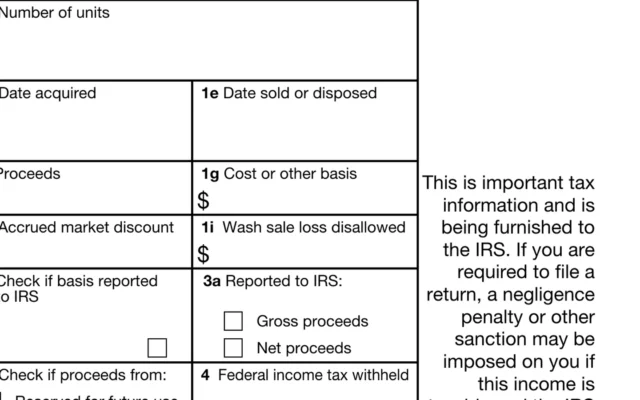
On crypto tax, UK reporting now looks more like the US system, where brokers file Form 1099-DA with the IRS and send customers a statement.
Lending and liquidity pools are next in line. Under a government plan, from April 6, 2027, moving tokens into or out of a qualifying lending arrangement or liquidity pool would count as “no gain, no loss”, and tax would wait for an economic disposal. The measure was announced on July 13, 2026 and listed in the Budget of October 28, 2026.
Until that change takes effect, HMRC’s view in CRYPTO61620 stands, and a loan or stake that passes beneficial ownership of the tokens is a disposal.
Unpaid tax from earlier years goes through HMRC’s Cryptoasset Disclosure Service. A disclosure covers 4 years where reasonable care was taken, up to 6 where it was not and up to 20 for deliberate errors.
What to check before January 31
Exchanges may keep records only for a short time or close down, CRYPTO10400 in the HMRC Cryptoassets Manual notes, so the work starts with your own records. Before filing, check these:
- every swap and every crypto purchase, valued in pounds on the day
- any token bought back within 30 days of a sale
- pool balances carried in from earlier years, with units and pooled cost per token
- staking, mining and lending rewards, valued when received
- unclaimed losses from 2022-23, whose claim window closes on April 5, 2027
- a valid self-certification with each UK platform you use
Anyone who registered after October 5, 2026 gets a filing deadline 3 months from HMRC’s letter, but the tax is still due on January 31, 2027. HMRC says the platform data arriving in 2027 will help it find crypto gains and income that have not been declared.
Frequently asked questions
Do I pay tax if I swap crypto without cashing out to pounds?
Yes, if the swap produces a gain. HMRC treats exchanging one token for another as a disposal of the first, valued in pounds at the time, and the new token joins its own pool at the value given for it.
Is moving crypto between my own wallets taxable?
No. There is no disposal while you keep beneficial ownership, such as moving tokens between addresses you control. A network fee paid in tokens is different, because HMRC treats tokens given as a fee as disposed of at market value.
Do I need to report crypto gains below £3,000?
Usually not. If you’re registered for Self Assessment and your proceeds from all assets topped £50,000, the gains go on the return anyway. The 2025-26 notes also ask for the pages when gains before losses exceed £3,000.
What tax rate applies to crypto gains for 2025-26?
Gains above the £3,000 Capital Gains Tax allowance pay 18% on the part that fits inside the £37,700 basic rate band once added to taxable income, and 24% on the rest. Higher and additional rate taxpayers pay 24% on all of it.
Can HMRC see my crypto transactions?
Increasingly. Under the Cryptoasset Reporting Framework, UK platforms have collected customers’ identity and transaction details since January 1, 2026, and HMRC also receives data on UK taxpayers from platforms abroad through international exchange. The tax is due whether or not a platform reports it.