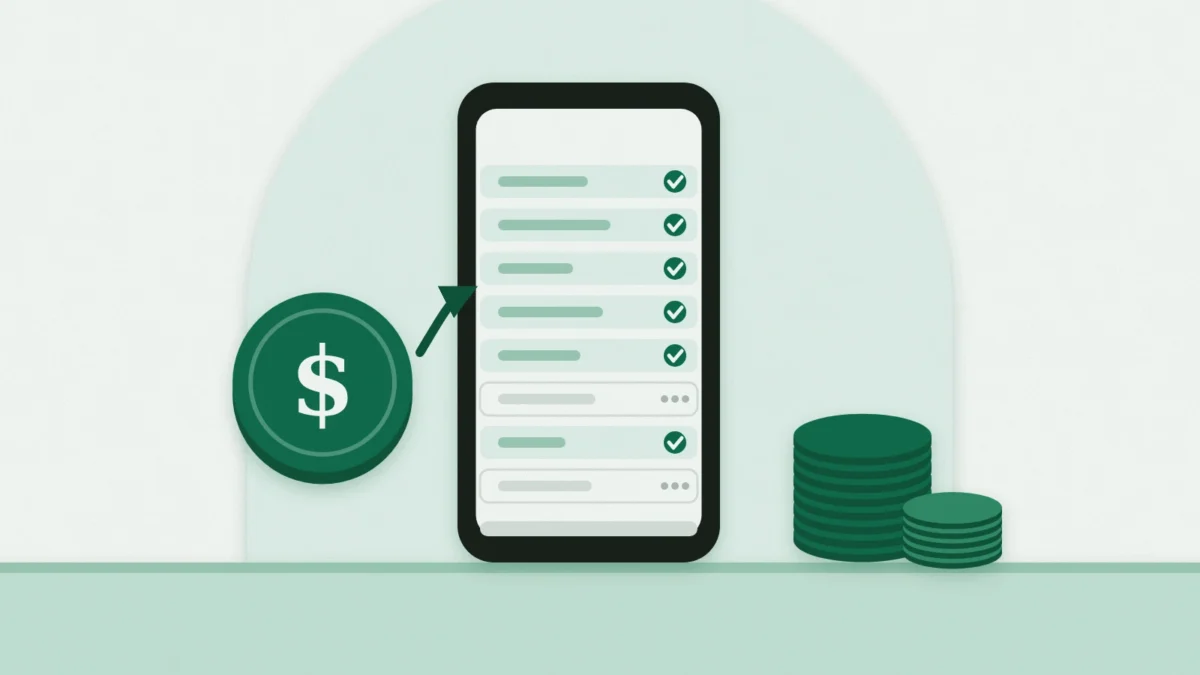
Binance withdrawals reopened on 87 more blockchain networks in the week to November 14, 2026, and the exchange says it aims to reopen every remaining network and asset by the end of next week. It had stopped all withdrawals after attackers took about $6.3 billion from its hot wallets on the evening of October 29.
The networks reopened this week include Cardano, Avalanche, Stellar and Litecoin, according to Binance’s November 14 recovery update. Users may still see “temporary delays or longer processing times due to traffic volume,” it says, and should try again after a short while if a withdrawal fails.
What happened on October 29
Binance says its hot wallets were compromised at around 20:05 UTC on October 29, with a loss of about $6.3 billion in tokens including USDC, USDT, bitcoin, ether and BNB. Its first notice said the incident may have involved a DevOps engineer’s compromised laptop, which let the attacker into a service container and send unauthorized withdrawals. A later update said the investigation had “uncovered additional points of breach” and found no evidence that wallet private keys leaked.
The US Justice Department said on November 12 that members of the North Korean military, whom the FBI calls “TraderTraitor,” carried out the Binance hack, taking more than $6 billion from the exchange. Government and private efforts had frozen more than $2.7 billion by then, and the department had court authorization to seize or restrain more than $1.2 billion of it.
Stablecoin issuers moved fast. Our freeze tracker counts about 1.557 billion USDT frozen by Tether and about 888 million USDC frozen by Circle on October 29, all within three hours.
How Binance says it covered the losses
Binance says customers won’t bear the loss. It committed more than $6.34 billion of company money and bought the stolen tokens back through market and OTC trades, and on November 12 it said coverage was complete.
The money came from three places: part of its Secure Asset Fund for Users (SAFU), part of its futures insurance fund above the level its risk framework requires, and its corporate treasury. Binance says it will refill SAFU to about $1 billion.
Its claims can be checked in part. A new proof of reserves snapshot taken at 00:00 UTC on November 12 covers 198 tokens, and once the zero-knowledge proof is generated, which Binance put at 40 to 50 hours, holders of the affected tokens can confirm that their balances are backed at least 1:1. A snapshot compares assets with customer balances at one moment, so it doesn’t show the exchange’s other liabilities or what changes afterwards.
The reopening has gone in waves. These are the main steps Binance announced.
| Date (UTC) | What Binance announced |
|---|---|
| October 29, about 20:05 | Hot wallets compromised; withdrawals suspended, deposits kept open |
| November 1 | Phase one: BTC, ETH, SOL, XRP and other main coins, plus USDT and USDC on the largest networks |
| November 6 | More tokens on BNB Chain, Base, Ethereum, Arbitrum and other networks |
| November 12 | Coverage of the stolen assets completed; new proof of reserves snapshot |
| November 14 | Withdrawals reopened on 87 more networks; the rest targeted for the end of next week |
The first phase came three days after the theft, and USDT on TRON and Ethereum was in it. Holders of smaller tokens on less used networks have waited longest.
What to do if your coins are on Binance
The exchange’s own steps are short. Before you withdraw, open the withdrawal page for your asset and network, or its network status page, to see whether that pair is open again. If a withdrawal fails during the rollout, Binance’s advice is to wait a short while and try again, since traffic can slow processing.
Large incidents draw scammers. After its data breach this week, South Korea’s Coinone reminded customers that it never asks for passwords or one-time codes by phone, text or email. Binance asks users to follow its official channels and customer support only, so treat any message offering early access to withdrawals or a refund as phishing. Never share a two-factor code with anyone who contacts you.
The episode also shows what holding coins on an exchange means. Your balance is a claim on a custodial wallet the exchange controls, and this time the exchange had the money to make customers whole within two weeks. Coins you don’t need to trade can sit in a wallet you control instead, where no exchange outage can lock them, though keeping the keys safe then falls to you.